Holarrhena floribunda (G. Don) T. Durand & Schinz
Common Name
False rubber tree
Family
Annonaceae
Origin & Distribution
Native to tropical Africa, ranging from Senegal eastwards to Sudan and southwards to Angola, Zambia, and Mozambique. In Nigeria, it occurs naturally in forest edges, savanna woodlands, and is also cultivated for medicinal use.
Conservation Status
Least Concern

Description
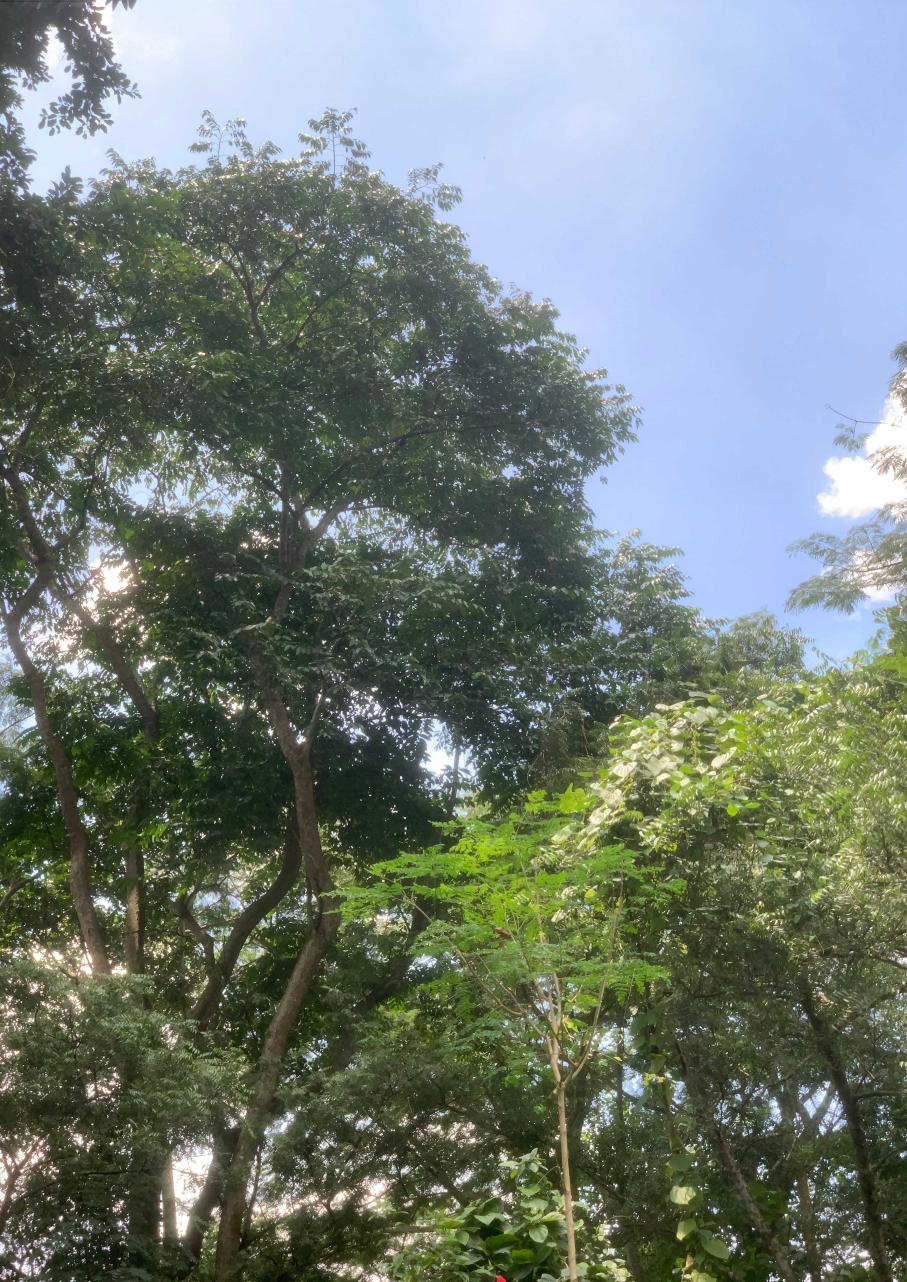
Small to medium-sized deciduous tree, typically 5–15 m tall. Bark: Grey to pale brown, smooth when young, becoming slightly fissured with age; exudes a white latex when cut. Leaves: Opposite, simple, oblong to elliptic, 8–20 cm long, with a smooth margin and a short petiole. Flowers: Small, fragrant, creamy-white, borne in terminal or axillary clusters (cymes); blooming often coincides with the onset of rains. Fruits: Pair of cylindrical follicles (10–35 cm long) that split open when mature to release numerous seeds with tufts of silky hairs for wind dispersal.
Ecological Information
Thrives in well-drained soils and full sunlight but tolerates partial shade. Found in open woodlands, secondary forests, and along riverbanks. Pollination is by insects, especially bees and butterflies. Seeds are dispersed by wind due to their silky appendages.
Uses & Importance
Medicinal: Widely used in African traditional medicine; bark and seeds treat malaria, dysentery, and intestinal worms. Cultural: Parts of the plant are used in rituals and protective charms in some communities. Agroforestry: Can be used as a shade tree in farm compounds.
Tree Photos
Quick Info
- Scientific Name
- Holarrhena floribunda (G. Don) T. Durand & Schinz
- Family
- Annonaceae
- Tree Code
- UI-BG-TS-033
- Conservation
- Least Concern